6-8
NGSS MS-LS1-1
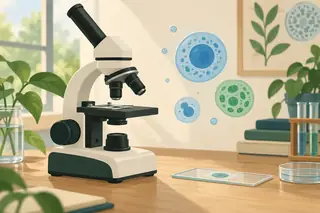
Cells and Microscopic Life
Students examine cells as the basic units of life and compare plant, animal, and single-celled organisms.
8 worksheets
Cells, ecosystems, the human body, plants, and animals.
Life Science worksheets help K-8 students investigate the patterns and processes of living things — from a single seed becoming a sunflower to an entire ecosystem moving energy from the sun through plants and animals. Topics are built on the Next Generation Science Standards Life Science (LS) strand and the OpenStax K12 / CK-12 concept libraries.
Every Life Science topic on this page comes with eight printable worksheet formats — vocabulary matching, fill-in-the-blank, short answer, diagram labeling, a nonfiction reading passage, sort-and-classify cards, an investigation lab, and a 10-question quick quiz. Choose the format that fits your lesson today.
Students examine cells as the basic units of life and compare plant, animal, and single-celled organisms.
8 worksheets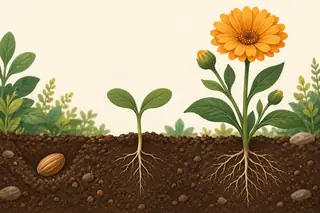
Students describe how plants progress from seed to seedling to mature plant, and identify the parts that help each stage survive.
8 worksheets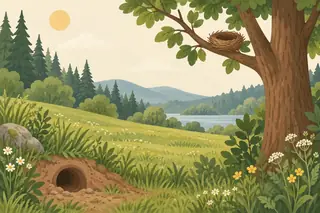
Students compare how different animals are suited to specific habitats such as forests, deserts, oceans, and grasslands.
8 worksheets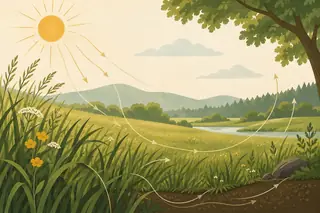
Students model the flow of energy from the sun through producers, consumers, and decomposers in a local ecosystem.
8 worksheets
Students identify the major body systems and explain how they work together to support life.
8 worksheets
Students analyze how changes to a population, resource, or climate ripple through an ecosystem.
8 worksheets
Students explain how offspring inherit traits from parents and how the environment can also influence traits.
8 worksheets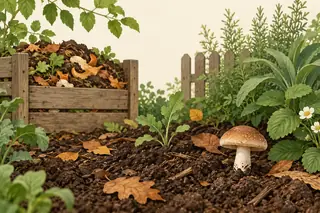
Students explore the role of decomposers in returning nutrients to the soil and supporting plant growth.
8 worksheets
Students identify the five senses and explain how they help us learn about the world.
8 worksheets