01
Li
Life Science
6-8
Cells and Microscopic Life
Students examine cells as the basic units of life and compare plant, animal, and single-celled organisms.
8 worksheetsA free, growing library of 216+ printable worksheets across Life Science, Earth & Space Science, and Physical Science. Every printable ships with a 10-question practice block and a teacher answer key you can reveal in one click.
Students examine cells as the basic units of life and compare plant, animal, and single-celled organisms.
8 worksheets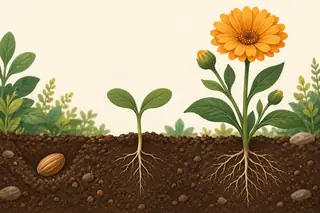
Students describe how plants progress from seed to seedling to mature plant, and identify the parts that help each stage survive.
8 worksheets
Students compare how different animals are suited to specific habitats such as forests, deserts, oceans, and grasslands.
8 worksheets
Students model the flow of energy from the sun through producers, consumers, and decomposers in a local ecosystem.
8 worksheets
Students identify the major body systems and explain how they work together to support life.
8 worksheets
Students analyze how changes to a population, resource, or climate ripple through an ecosystem.
8 worksheets
Students explain how offspring inherit traits from parents and how the environment can also influence traits.
8 worksheets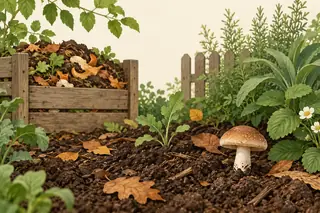
Students explore the role of decomposers in returning nutrients to the soil and supporting plant growth.
8 worksheets
Students identify the five senses and explain how they help us learn about the world.
8 worksheets
Students describe how water moves between the ocean, atmosphere, and land through evaporation, condensation, and precipitation.
8 worksheets
Students record weather data and distinguish day-to-day weather from long-term climate patterns.
8 worksheets
Students classify igneous, sedimentary, and metamorphic rocks and identify common rock-forming minerals.
8 worksheets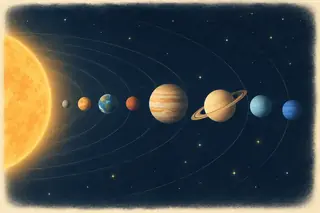
Students describe the planets, moons, and other bodies that orbit the sun, and explain day and night and seasons.
8 worksheets
Students model the four layers of Earth and explain how moving plates create earthquakes, volcanoes, and mountains.
8 worksheets
Students differentiate renewable and nonrenewable resources and evaluate human impact on Earth's systems.
8 worksheets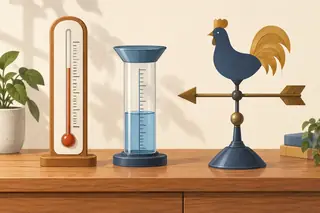
Students use thermometers, rain gauges, wind vanes, and weather symbols to record local weather.
8 worksheets
Students explain how volcanoes and earthquakes shape the surface of Earth and how communities prepare for them.
8 worksheets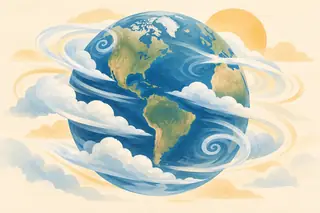
Students model how the sun, the atmosphere, and the ocean drive global climate patterns and weather.
8 worksheets
Students classify everyday objects as solids, liquids, or gases and observe how heating and cooling change their state.
8 worksheets
Students investigate how pushes and pulls change the speed and direction of an object.
8 worksheets
Students identify the six simple machines and describe how each one makes work easier.
8 worksheets
Students recognize energy in motion, heat, sound, light, and electricity, and trace how it changes from one form to another.
8 worksheets
Students model sound as vibrations and light as waves that can be reflected, refracted, or absorbed.
8 worksheets
Students build simple circuits, identify conductors and insulators, and investigate magnetic fields.
8 worksheets
Students model atoms and molecules and explain how matter is conserved during physical and chemical changes.
8 worksheets
Students compare hot and cold and observe how heat moves from warmer objects to cooler ones.
8 worksheets
Students investigate magnets, identify materials that magnets attract, and describe magnetic forces.
8 worksheetsEvery Lab Worksheets printable is built around a single Next Generation Science Standards performance expectation, so you can drop it straight into the lesson you are already teaching. Worksheets are written for real K-8 readers — short directions, generous white space, and clear diagrams — and each one ships with a 10-question practice block plus a one-click reveal answer key.
Eight worksheet formats per topic let you mix and match across the week: vocabulary matching for warm-ups, fill-in-the-blank for guided practice, short answer for science notebooks, diagram labeling for visual learners, nonfiction reading passages with comprehension questions, sort-and-classify cards for centers, an investigation lab for hands-on days, and a 10-question quick quiz for formative assessment.