
K-2
NGSS 2-ESS2-3
The Water Cycle
Students describe how water moves between the ocean, atmosphere, and land through evaporation, condensation, and precipitation.
8 worksheets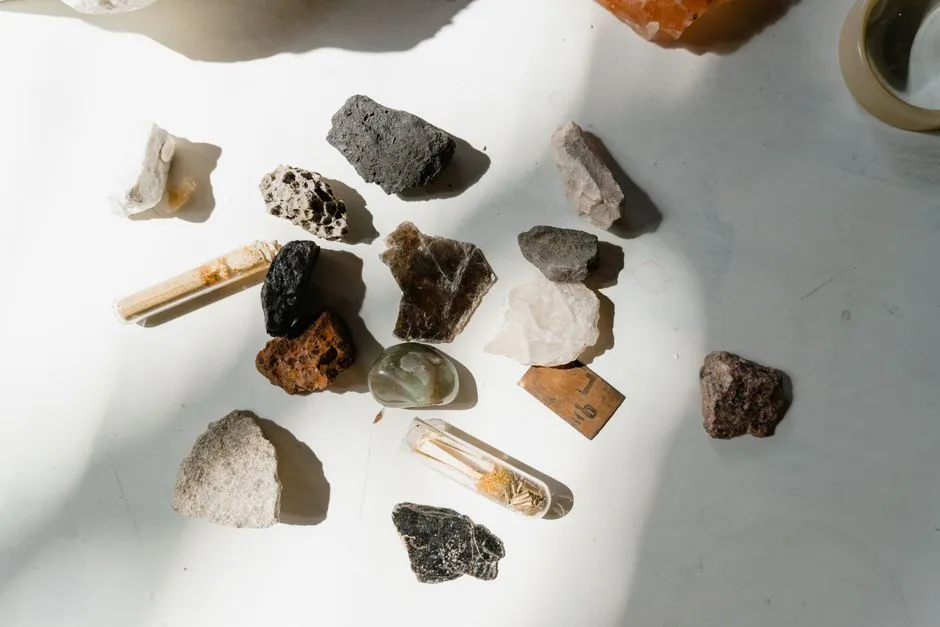
Rocks & minerals, weather, water cycle, solar system, and plate tectonics.
Earth and Space Science worksheets invite K-8 students to investigate the systems that shape our planet and the universe beyond it. Built on the NGSS Earth and Space Sciences (ESS) strand and the OpenStax K12 / CK-12 concept catalog, every printable comes with a teacher answer key.
Every Earth and Space Science topic on this page comes with eight printable worksheet formats — vocabulary matching, fill-in-the-blank, short answer, diagram labeling, a nonfiction reading passage, sort-and-classify cards, an investigation lab, and a 10-question quick quiz. Choose the format that fits your lesson today.
Students describe how water moves between the ocean, atmosphere, and land through evaporation, condensation, and precipitation.
8 worksheets
Students record weather data and distinguish day-to-day weather from long-term climate patterns.
8 worksheets
Students classify igneous, sedimentary, and metamorphic rocks and identify common rock-forming minerals.
8 worksheets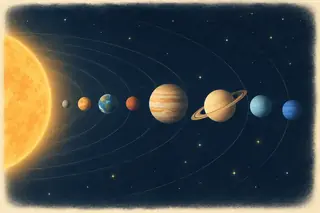
Students describe the planets, moons, and other bodies that orbit the sun, and explain day and night and seasons.
8 worksheets
Students model the four layers of Earth and explain how moving plates create earthquakes, volcanoes, and mountains.
8 worksheets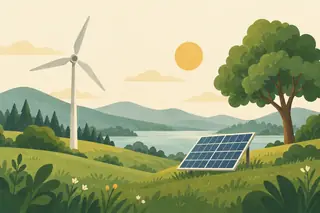
Students differentiate renewable and nonrenewable resources and evaluate human impact on Earth's systems.
8 worksheets
Students use thermometers, rain gauges, wind vanes, and weather symbols to record local weather.
8 worksheets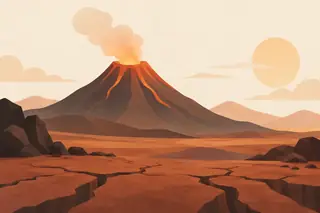
Students explain how volcanoes and earthquakes shape the surface of Earth and how communities prepare for them.
8 worksheets
Students model how the sun, the atmosphere, and the ocean drive global climate patterns and weather.
8 worksheets